
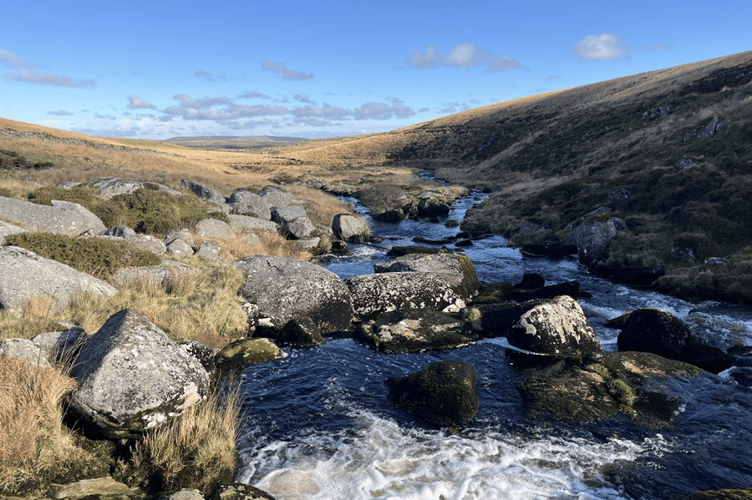
A precious wetland area of Dartmoor which once inspired a Sherlock Holmes mystery is to be preserved under a new plan.
Swincombe Valley near Princetown, once saved from becoming a reservoir, will have its future assured for water and bog-loving plants and insects under a plan by Dartmoor Preservation Association.
Nearby Fox Tor Mire, famously believed to have inspired Sir Arthur Conan Doyle’s Grimpen Mire his Sherlock Holmes mystery The Hound of the Baskervilles, is a SSSI (site of special scientific interest).
The valley is home to ferns and mosses such as sphagnum bogs, mires, and flushes. Among the special plants found here are White Sedge, Lemon-scented Fern, Lesser Spearwort and Bog Stitchwort.



A DPA spokesman said: “Having saved the valley where the rivers Strane and Swincombe meet from plans to build a reservoir, the DPA is pleased to announce an ambitious five-year plan for managing this precious landscape.
“This is a remarkable 50-acre expanse of true Dartmoor moorland, owned and continuing to be lovingly managed by the association. This landscape, with its striking open vistas and wild charm, was once under threat of flooding to create a reservoir.”
In 1985, the DPA used a bequest to buy 50 acres in the Swimcombe Valley to stop a reservoir going ahead.
The spokesman added: “This ensured the valley was forever protected from flooding, ensuring this precious habitat remains intact for future generations. Since acquiring the land, the DPA has devoted itself to nurturing the health of the mires and open moorland.
““For those who visit, Swincombe offers more than a landscape. It’s an experience of Dartmoor at its most raw and magnificent, a reminder of why protecting such places matters now more than ever.”
Last year DPA employed ecologist Albert Knott to visits its land in order to draw up refreshed management plans.
Work includes ecological monitoring, surveying and protecting rare tin works, working with the Central Dartmoor Landscape Recovery Area to collaborate on habitat maintenance, tree planting, natural flood management and creating open grazing to prevent invasive regrowth.
Maintaining open moorland needs controlled livestock grazing, to preserve the dramatic views while supporting the thriving delicate wildlife and rare plants.
The valley also holds a rare example of tin streaming workings. This niche industry is largely only on Dartmoor and the South West and is of international importance as a unique ancient method of tin extraction from the rivers.
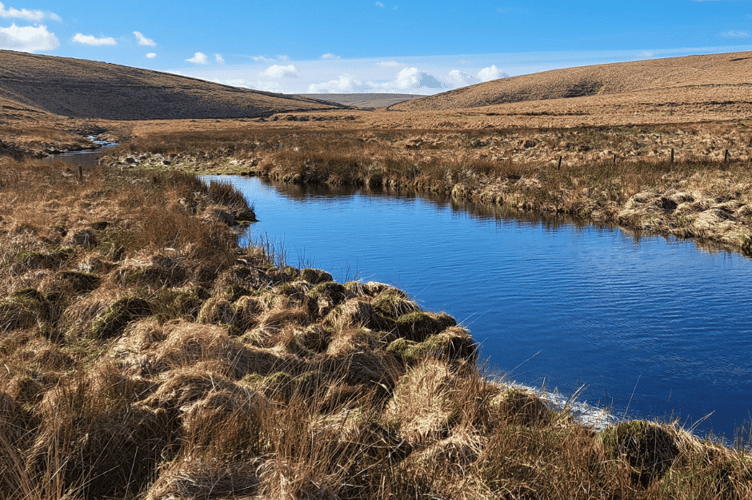
A DPA spokesman said: “The contrast between the wet mires and bogs and the dry, rocky heathland, dotted with ferns and heathers, underscores the diversity of Dartmoor’s landscapes. It is this richness of habitats, alongside careful stewardship, that makes the Swincombe site such an ecological jewel.
“Through foresight, dedication, and careful management, the DPA has preserved a slice of Dartmoor that captures the spirit of the moor: wild, inspiring, and untamed.”
The campaign to save Swincombe was championed by the famed Lady Sylvia Sayer (once the chair of the DPA) who described the area as ‘a great natural amphitheatre and of immense spaciousness and wilderness’.
The Swincombe site is home to rich wetland habitats with healthy wetland ecosystems in acid soils, water edges and boggy areas.
Comments
We've recently changed our login process. If you have an account for commenting, you will need to re-register on the login window.
This article has no comments yet. Be the first to leave a comment.