


A FIVE year transformation programme by West Devon Borough Council and South Hams District Council is now complete.
In 2013, both councils recognised that they would together be facing a potential funding gap of £4.7-million over the five year period up to 2018. Adamant that they did not want to cut front line services, both authorities agreed to start an ambitious and challenging Transformation Programme (T18) to remodel how the councils worked.
In 2007, the two councils began to share a chief executive, which started their journey into shared services. The next shake-up followed in 2011, when the management team was streamlined and shared between both South Hams and West Devon.
The original business plan for the T18 Transformation Programme was approved in 2013 which aimed to continue to deliver quality services for their customers and communities. The councils say the T18 programme has been total and radical and has left no service untouched.

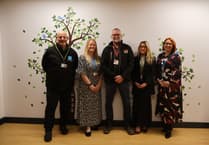

Since the T18 programme started five years ago, the total annual saving has been £1.5-million for West Devon, with South Hams saving £2.9-million. The majority of these savings were made through staffing savings.
Between 2014 and 2015, the majority of employees at both councils went through a rigorous recruitment process and the workforce was reduced by 30%. The overall yearly savings were the equivalent of 25% of the councils’ budgets.
The reduction of office-based staff has also reduced the authority’s need for lots of office space, with many of the council offices now leased to partner agencies.
West Devon Borough Council’s Leader, Cllr Philip Sanders, said: ‘Peoples’ lives, along with technology, are constantly changing and we must change with them. We have had a radical transformation in the way that the councils have worked for more than 40 years.
‘Our workforce was reduced significantly and all staff roles changed to become flexible and responsive to the needs of the customer.
‘A new agile way of working was introduced, with the creation of a hot desk environment in both the main offices. This new way of working also included the flexibility for staff to work on an agile basis. This way of working is an important factor in retaining key people.
‘The success of this project is testament to the skill and determination of the staff, and they have the thanks of all of the elected council members.’
However, West Devon Borough Council still faces financial struggles in the years ahead.
The council is facing a £900,000 funding gap by 2020/21, with the gap forecast to grow to £3.4-million over the next five years.
The ever increasing gap is largely due to cuts in central government funding. This has left the council facing tough decisions on how to close the funding gap.
In February, the borough council agreed to proposed savings and to try and generate income amounting to £783,930.
This included a plan to try and increase revenue generated from borough council car parks by £180,000 through ‘the reasonable setting of car parking tariffs’.
Councillors also agreed to a council tax increase of 2.99% — around £6.52 a year for a Band D property — for 2018-19.
Comments
This article has no comments yet. Be the first to leave a comment.