

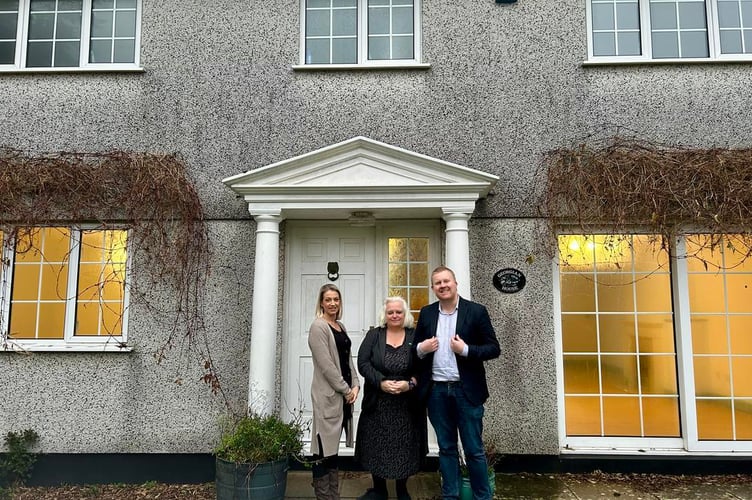
Plymouth City Council has purchased its first property to use as a children’s home after agreeing a capital investment of £2 million last November.
The move is a “major step towards ensuring more local children in care can be supported and looked after in their home city”, says the council.
It will also decrease the need for private care placements which are one of the largest expenses for the authority.
The average cost of private residential placements is £6,700 a week per child and can be as much as £17,000. The latest overspend by the council in this area is estimated at £3.8 million.


Plymouth City Council hopes to save between £200,000 and £500,000 in the first year alone from opening its own children’s homes.
The first property will open in the coming months following final preparations and Ofsted registration.
The exact location will not be published to protect the privacy and safety of the young people who will live there but the council reported recently it was looking at properties in Mutley and Plymstock.
This will be the first of five children’s homes, catering for small numbers of children, that the council hopes to open next year.
Director of children’s services for PCC David Haley said at a recent meeting that the vision was to “open as many homes as we can manage and staff” in order to meet the needs of children in the city.
The council agreed a capital investment of £2 million for children’s homes in November 2024 and has been successful in securing £1.5 million from the Department for Education for a £3 million new build designed for four children and young people with complex emotional and behavioural needs.
The new home will provide short term care for two to three children in care, supported by a team of trained practitioners available 24/7 and a dedicated registered manager, PCC says.
Children will continue attending local schools and clubs and will receive tailored support to help them return home or transition to a foster family at the right time.
The council said: “This home is part of an ambitious programme to expand local provision in Plymouth. For many years, the city has relied on out‑of‑area placements, often far from children’s families and support networks. Increasing the number of small, residential homes within Plymouth means children can stay closer to the people and places that matter most, improving stability and long‑term outcomes while reducing the need for costly external placements.
“Plymouth’s strong ambition remains that children should live in family homes wherever possible, and the city continues to invest in its fostering offer and actively recruit foster carers locally. However, for some children, a period of specialist support in a residential home provides the stability they need before moving on to a family‑based setting.”
The council says its own homes will “complement” existing provision in the city and “strengthen local sufficiency”.
Plymouth’s new children’s homes would be “small residential houses within local communities, designed to feel just like any other family home”.
“ Children are cared for by a dedicated team who create a warm, nurturing environment where children are kept safe, feel secure, build relationships and take part in everyday family life and attend local schools and community activities. This approach helps children to thrive close to the communities that matter to them.”
Cllr Jemima Laing (Lab, Stoke), deputy council leader and cabinet member for children’s social care, said: “The purchase of this home is a hugely positive moment for Plymouth’s children. Every child deserves a safe, stable and nurturing home and crucially, one that keeps them connected to the people and places that matter to them.”
Plymouth City Council currently cares for more than 500 children with just over 60 in residential placements.
An enhanced package for Plymouth City Council foster care workers was agreed last year and includes a five per cent uplift on allowances, additional financial support for birthdays, Christmas and holidays, council tax discounts or exemption, peer support and social events and sport and leisure memberships.
Comments
This article has no comments yet. Be the first to leave a comment.