
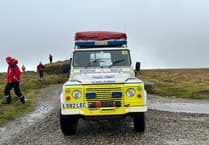
A TEAM from Okehampton-based rescue Rapid UK have returned home from earthquake-hit Algeria after spending four days searching for survivors.
The earthquake last Wednesday, which measured 6.7 on the Richter Scale is estimated to have killed more than 2,000 people and was the first disaster mission for Rapid since playing a key role in the international rescue operation in the aftermath of an earthquake in India more than two years ago.
Ten men and two women from all over the South West made up the Rapid team who were called back from Algeria on Monday after the United Nations declared an end to the rescue attempts because all hope had been lost of finding anyone else alive.
The volunteers made repeated attempts to rescue an 11-year-old girl who had been trapped beneath a building in Boumerdes, northern Algeria but were forced to withdraw after 14 hours.

The girl called Sabrina was heard shouting for help on Saturday and Rapid was called in with its specialised detection equipment.
Director of the charity Graham Payne said: ?The team went as far as it could until there no longer appeared to be any signs of life.
?There was also a danger that if they carried on any further the whole building would have collapsed.?
With temperatures over 90 degrees, sandstorms and rain, the conditions also made the rescue operation extremely hard.
Mr Payne said it was difficult for the team but it was what they had trained for: ?Nothing ever quite prepares you for the real thing but the Rapid members go through rigorous training so they know the kind of thing to expect,? he said.
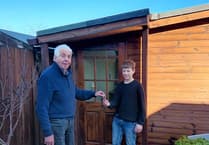
In the 2001 Indian earthquake Parth Joshi was rescued by Rapid volunteers after spending more than four days beneath a collapsed building.
Parth was brought to Britain thanks to a local fundraising appeal where he was fitted with an artificial limb after losing a leg in the disaster. He is currently in Devon undergoing a new fitting.
The charity?s director said if there was ever proof that the job was worthwhile it was Parth: ?It is disappointing when a rescue attempt does not have a positive outcome but it helps us and the families to know that we did everything we could.?
Rapid was aided by search and rescue dogs during the operation and is calling on the Government to relax quarantine rules which stop dogs going back to work after being abroad.
?The operational set up of search and rescue dogs means that in the UK we have below 50 per cent available should anything happen here ? for example a terrorist attack,? added Mr Payne.
?We believe there is no risk of bringing a disease back into the UK because these dogs are vaccinated against every possible thing. Under the current rules the dogs cannot be operational again in this country for six months.?