
TAVISTOCK Museum is to undergo a massive transformation — a renovation project designed to give the town's tourism prospects a welcome boost.
It is the first ever renovation on the Listed building, which is currently in a somewhat dilapidated state. The developments include museum displays and architectural changes to the building.
Roderick Martin, Tavistock Museum's Charitable Trust secretary, said: 'Already, five display cabinets have been installed which will provide extra space for exhibiting artefacts.'
Funding from the Rural Development Programme for England (RDPE) has made the purchase of these cabinets, with a price-tag of £20,000, possible, and has been warmly welcomed.
-stage-a-breakfast-for-military-veterans-with-college-students.jpeg?width=209&height=140&crop=209:145,smart&quality=75)
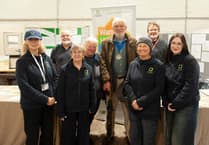


Mr Martin expressed his excitement at the developments: 'It's essentially a plus for Tavistock.
'Our historical town deserves a first-class museum.'
Standing since the 1830s, the museum is located near other tourist attractions in the town, such as the pannier market and town hall.
The museum currently houses artefacts, exhibits and displays about Tavistock, the surrounding district and Dartmoor. It also hosts exhibitions by other local organisations and provides accommodation for the Thorington Archive, a vast collection of photographs by local press photographer Jim Thorington.
The proposed changes to the museum, housed in Court Gate, will include the creation of an interpretation room and a steward's-mess room.
The slate paving that currently leads to the museum entrance, which becomes slippery when wet, will be replaced with non-slip granite paving.
Building work will progress in stages, with both aesthetic and structural improvements being made.
Around £36,000 worth of repairs will be implemented to the front windows, a link-doorway, a back-gate and internal re-plastering. Extensions to the museum, accommodating the top-floor linked cottage, will provide much-needed space for exhibitions.
Parkes Lees Architects Ltd of Launceston will be the conservation architects for the project.
A Plymouth-based firm, familar with renovation projects on churches and other historically significant buildings, will be carrying out the building work.
Stage one of the project has been funded by a European Union and the Department for Environment, Food and Rural Affairs (DEFRA) grant through RDPE, which itself is part of a scheme devised by the Cornish Mining World Heritage Site Office.
The project — Discover the Extraordinary — strives to positively enhance a visitor's experiences and aims to develop the growth of environmentally sustainable tourism in rural areas. The three-year programme is being implemented across Devon and Cornwall.
The museum redevelopment project should be completed in 2013.
The museum will reopen on Easter weekend — Saturday April, 23. The first exhibition will be The 1911 Sale of Bedford Estate Properties.
Comments
This article has no comments yet. Be the first to leave a comment.