
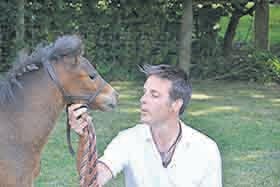
THE? CULLING of Dartmoor ponies is threatening the loss of some its longest established breeders and quality pony bloodlines, a conservation group has warned.
The Dartmoor Pony Heritage Trust is stepping up its efforts to find a solution for the iconic moorland animal and is urging people concerned about their welfare to make their views known.
The DPHT has been successful as a charity since its formation in 2005 finding homes for hundreds of Dartmoor ponies.
It says ponies are even being culled for zoo meat and the market values for even the better animals are way down.



The organisation is asking people to contact the Dartmoor Commoners' Council to encourage it to take action.
Clare Stanton, a spokesperson for the trust: 'Disposing of mares is a major risk to the future of the broad base of good bloodlines that have helped to safeguard the traditional types and herds on the moor.
'Losing them is the greatest danger to the future of our native Dartmoor pony. Too many have already been lost in recent years; this must stop.
'Dartmoor is in danger of losing some of its longest established breeders and the better quality pony bloodlines and foundation stock of true Dartmoor type.'
She said they had opened up new markets such as conservation grazing and added value to ponies through handling and castration of colts, for example, to ensure better income for their owners and so help Dartmoor farmers to survive and continue to breed and preserve the best ponies on the moor.
'We promote the temperament of our native breed as family riding and driving ponies through an innovative education programme for young people with disabilities and behavioural challenges, called 'Ponies Inspiring People'based at Parke, Bovey Tracey and using Dartmoor ponies as the platform for learning,' added Clare Stanton.
'The DPHT firmly believes that control of the breeding mares, through removal of stallions, stallion vasectomies and mare contraception, is the key.
'We do not want fewer ponies on the moor, in fact we want more, but the best conservation grazers and the animals most likely to find homes, are the older animals — two years plus — which have had a chance to grow on.'
The DPHT pays for castration of colts and inspections of youngstock to ensure they meet quality and type expectations for the Heritage Dartmoor.
'These roles considerably reduce the cost for pony keepers and help to make the ponies more viable,' she said.
The DPHT also has a constantly updated sales list of ponies from recognised breeders and offers a 'one stop shop' for potential pony owners.
It is also holding on to some of the heritage lines to create a 'reservoir' for breeders to introduce to their herds or to start new ones as markets improve.
To make a donation to the DHPT or to foster a Dartmoor pony go to http://www.dpht.co.uk">www.dpht.co.uk or call Dru Butterfield from the organisation on 01626 833234.
Vice chairman of the Dartmoor Commoners' Council Mary Alford, who owns one of the oldest Dartmoor pony herds on the moor, said she did not want to see a decline in ponies but the market had always been volatile.
'The DCC is fully aware of the depressed market with ponies at the moment and is working with pony keepers and other organisations to come through a difficult time,' she said.
'My family has seen ups and downs over the past 100 years but we do need to try and find a new market for these ponies if we can.'
Comments
This article has no comments yet. Be the first to leave a comment.