

How many conversations about the weather have you had so far this year? Even if you haven’t ventured far from home this month, there’s been plenty of variety. Snow, wind-blown branches and puddles on the streets, illuminated by the low winter sun or obscured by swirling mist.
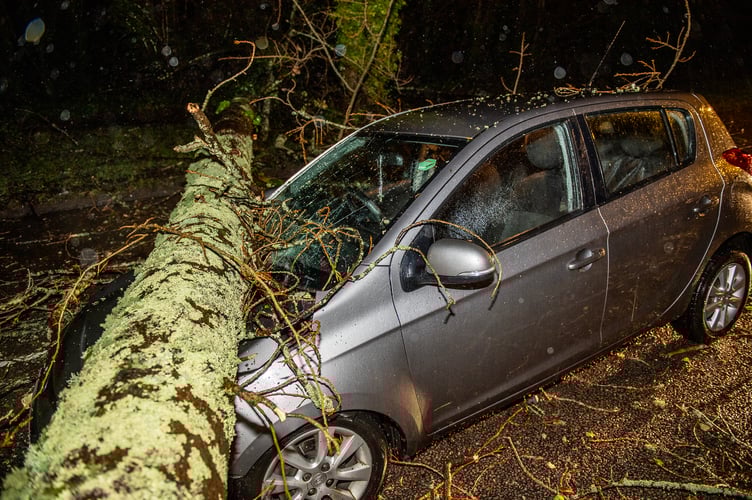
Does the talk ever turn to climate – the longer term pattern which shapes our experience of weather? Or the way it’s changing, and why? That’s probably harder, despite Storm Goretti’s extreme gusts and rain cutting off power and transport in parts of Cornwall.
Why are many of us hesitant to raise the topic of climate change with friends, family or colleagues? For years there has been clear scientific consensus that it is happening, and that human activity, particularly, but not only, the use of fossil fuels, is the main cause. A major survey by More in Common last year found most people in Britain recognise this and are concerned about it.
The concern is justified. The impacts already experienced include wildfires on Mediterranean islands and floods in European cities where some readers may have holidayed. The main consequences, unfairly, are felt by some of the poorest people in the world, who bear least responsibility for the rise in greenhouse gas levels. Where’s a subsistence farmer supposed to go when droughts turn their soil to dust?
.jpeg?width=209&height=140&crop=209:145,smart&quality=75)


Such thoughts are depressing – one reason for a reluctance to talk? Some readers may be old enough to remember the time when “cancer” was a word to be avoided – the big ‘C’, known to be real, but best not said out loud.
Naming it, and growing public interest and support for those looking into causes, prevention, and ways to heal, has been crucial to the progress made in diagnosing and treating cancer.
Can we talk about treatment for climate change or healing for nature? Yes, there are positive stories – some featured in this newspaper.
One of the books we’ve read in Transition Tavistock’s online book group is “Not the End of the World” by Hannah Ritchie, which outlines, with evidence, a number of trends to celebrate, and other areas where action can be taken if we have the will. 80 years ago there was a democratic choice to share the cost of healthcare.
National investment in a cleaner, healthier environment, including a shift from fossil fuels to renewable energy, can be a similar shared benefit.
Remember though, attempts were made to suppress or discredit evidence of smoking’s link with lung cancer, which threatened tobacco companies’ profits. Spoilers are spreading again in both press and social media. That’s another reason to talk face to face.
We’re helping Tavistock Library host Climate, Cake & Conversation, on Wednesday, February 4 (7pm for 7.30pm), with a showing of the film “#ClimateScam?” from local charity Cornwall Climate Care.
A quarter way through the 21st century, many children now among us can hope to live to its end. In fairness to them, let’s talk about tackling climate change – together.
Comments
This article has no comments yet. Be the first to leave a comment.