

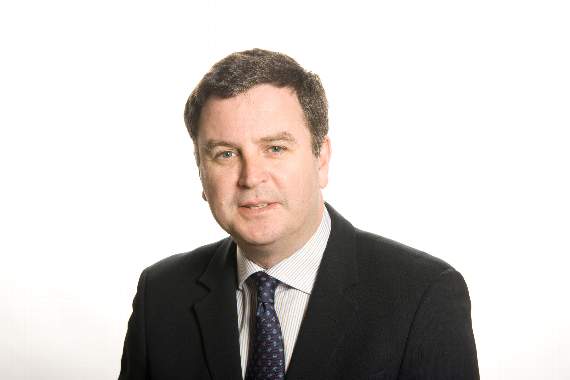
CENTRAL DEVON MP Mel Stride has defended the amount of money the Government spends on elite sport following criticism from certain sections of the media as well as competing countries about Team GB ‘buying medals’ at the 2016 Olympics.
Almost £350-million will be spent on Olympic and Paralympic programmes between 2013 and 2017 with some estimates suggesting that the total cost of each medal won in Rio was £5.5-million.
Mr Stride said: ‘The Government only contributes amount a third of the funding for elite sport as the majority comes from the National Lottery set up by John Major in the 1990s. It costs each Briton just over £1 per year — a bargain for the level of success achieved in Rio which has given the whole country a boost and will inspire people to exercise more and to get involved with a range of sports.
‘The Paralympics is also important because of its ability to challenge the preconception that a disability is an insurmountable obstacle to success and this is especially important for young people living with disabilities to see.’

Mr Stride also pointed out that the individual funding grants that some athletes are eligible to receive is between £15,000 and £28,000 a year, this is the same amount earned by the average Premier League footballer in just three or four days.
Some have argued that the national success of Team GB has been at a large financial and, possibly, social cost. UK Sport, which decides how to allocate tax and lottery money, has a policy which focusses on backing winners, on those people who can achieve the remarkable.
Two thirds of UK Sport’s funding goes to specially selected athletes aged 14 to 25 — the potential winners of the next decade. They also fund an elite group of podium level athletes who require extra expenses for training. This strategic policy, which some have criticised as controversial, has brought massive success in Rio.
Britain has become a sporting superpower this summer having beaten China to second place in the Rio Olympics medal table, the haul of 67 medals makes Britain the first nation ever to record five consecutive Olympic Games of medal growth. Never before now has a nation improved on its medal haul in the Olympics after a home games.
Mr Stride said that the recent Olympic success has had knock-on effects which justify the sports funding.
Team GB hope to continue its success with 264 athletes competing in 19 sports at the Rio 2016 Paralympic Games starting on Wednesday, September 7.
Comments
This article has no comments yet. Be the first to leave a comment.