
THE diabetes service for young people in West Devon and East Cornwall has been recognised as best in the West Country — and one of the top performing units in the country for reducing the risk of young people developing diabetic complications, according to data just published by the Royal College of Paediatrics and Child Health.
Data recently published in the national paediatric diabetes audit demonstrated that the paediatric diabetes service at Plymouth Hospitals NHS Trust has been making really positive steps to improving the quality of care for the children and young people with diabetes looked after by the service, while significantly reducing the risk of complications.
In addition to the national audit, a recent patient experience survey conducted by the Royal College of Paediatrics and Child Health also showed exceptionally positive responses from young people and their families attending clinics run by the team. The average score for overall satisfaction with the clinic was 9.1 out of 10.
The service has also been hailed as an example of best practice regionally for the work the team do to ensure young people can manage their diabetes whilst at school.
.jpeg?width=209&height=140&crop=209:145,smart&quality=75)
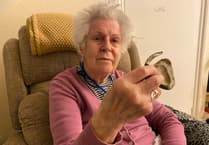

Dr Becky Smith, consultant paediatrician and lead for paediatric diabetes at Plymouth Hospitals, said: 'We are delighted to have been announced as the best performing unit in the West Country for our diabetes care for young people. These results have been achieved by the hard work and joint commitment of the young people who have diabetes and their families and the multi-disciplinary diabetes team.'
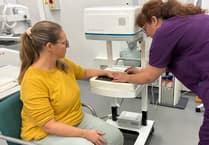
Specialist paediatric diabetes nurse Mary Jefferies regularly visits young people in West Devon schools like Tavistock College, and holds clinics to support young people with managing their diabetes in school, which has been hailed asn an example of best practice regionally.
Dr Smith said: 'We have a strong insulin pump service and use carbohydrate counting to allow our patients to live a life with diabetes. We also have good links with our local adult diabetes service and have developed a transition service to help young people negotiate the tricky change from the paediatric to adult world.
'Whilst these results are encouraging we strive to continually improve our service and look forward to this year improving our psychology support for young people and investing in equipment that will help us to monitor our patients and their results in clinic.'
The national audit by the Royal College of Paediatrics and Child Health for 2011—12 demonstrated that the paediatric service at Plymouth Hospitals NHS Trust has the best HbA1C results in the West Country and the unit is within the top performing paediatric diabetes units in the country.
HbA1C measurements indicate a person's blood sugar levels over the last three months. This is important because evidence shows that a lower HbA1C can reduce the risk of developing diabetic complications such as eye disease, heart disease and kidney disease. A rise of just 1% in a person's HbA1C can increase their risk of developing complications by a third.
The media HbA1C for the Derriford-based unit was 8.1%, with more than 27% of young people achieving a HbA1C in the target range of 42-%8mmol/mol, compared with a national average of only 17%.
Comments
This article has no comments yet. Be the first to leave a comment.