
By Dr Fiona de Ferrars
I don't have asthma do I?
ASTHMA is very deceptive, and it is often not recognised. Asthma can be present for many years before it is diagnosed, which is a pity as it can make life miserable. The symptoms can be attributed to other things, especially hay fever or allergies. People may puff and pant when they exercise, and blame their lack of fitness, whereas their breathlessness may be due to asthma. Asthma commonly develops in children, but can start at any age, even in the elderly. It is not known why people develop asthma, although it does run in some families.
Asthma is caused by inflammation of the airways in the lungs. This makes the airways swollen and narrowed, and so it is more difficult for air to enter the lungs.
.jpeg?width=209&height=140&crop=209:145,smart&quality=75)

The symptoms range from being mild and only present occasionally, to being severe and causing a problem most of the time. Some people feel that they have a tight chest, whereas others struggle for breath often in the middle of the night. This can be very frightening. There is often night time or early morning waking as this is when the symptoms are worse, especially if asthma is poorly controlled. The symptoms may have vanished by the time people see their GP in the morning. Often mothers bring their young children to see the GP as they have been coughing at night for several months, without having a cold. Some people have a wheeze which is a whistling sound which is made when breathing.
The inflamed airways are very sensitive, and readily react to allergens and other triggers by narrowing further. Common triggers for asthma include exercise, cold weather, animal fur, pollen, colds and smoking. It is important not to smoke if you are asthmatic, as asthma increases the risk of developing chronic obstructive pulmonary disease (COPD) which I discussed last month.
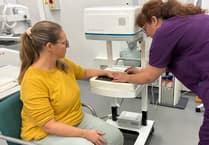
Asthma is diagnosed by checking peak flow, which is how fast you exhale. It is necessary to assess how much the peak flow improves with an inhaler and how peak flow varies during the day, as in asthma the peak flow is lower in the mornings. In chronic severe asthma, the lungs can become scarred, and so the obstruction to breathing may become permanent.
The risk of a severe asthmatic attack is increased if:
1. The blue reliever inhaler is used frequently. If you use more than two blue inhalers a year then your asthma is poorly controlled.
2. Three or more doses of your preventer inhaler are missed a week. Preventer inhalers contain a steroid which prevents inflammation. The effects build up over time.
3. Your BMI is over 30. Obesity can cause breathing difficulties and make asthma worse.
4. You react to an allergen by having an inflamed, runny nose (allergic rhinitis). This may be hay fever, or just when you meet a cat. Some people have a runny nose all the year. If your nose is inflamed, then your airways are likely to become inflamed too, as they are connected.
5. You do not have an asthma plan to control your asthma when it becomes worse.
During an asthma attack the muscles surrounding the airways tighten, which constricts the inflamed airways even further. In the early stages oxygen can reach the lungs, but carbon dioxide can't leave. Carbon dioxide is toxic and builds up. The inflamed airways then produce sticky mucus which blocks the airways, preventing oxygen from reaching the lungs. Asthmatics know when they are having a severe attack as they can't breathe adequately and their inhaler does not help as much as usual. As the attack progresses they start to feel exhausted and this is very dangerous.
Asthma attacks cause time to be missed from school and work and tend to occur when asthma is poorly controlled. If you or your child has an asthma attack, it is important to follow your action plan. Remember not to grow complacent as asthma attacks can be fatal.
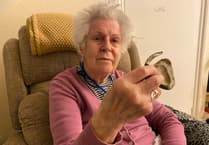
There is no cure for asthma, but there are some very good inhalers, which relieve the symptoms and prevent the symptoms from developing. Children often grow out of having asthma.
Comments
This article has no comments yet. Be the first to leave a comment.