
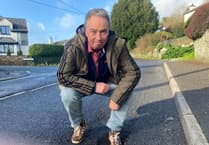
WEST Devon and Torridge MP John Burnett has claimed DEFRA was failing in its duties by not taking part in the foot and mouth inquiry completed by Devon County Council last week.
More than 350 written submissions were received by the inquiry and some 50 witnesses from all walks of life have appeared to give evidence — but no-one from DEFRA appeared.
Mr Burnett said: 'The inquiry will produce a worthwhile body of evidence, but I strongly condemn DEFRA for failing to send a senior official.
'The job of these inquiries isn't just to rake over the past, but to learn for the future — there are so many unanswered issues.
.jpeg?width=209&height=140&crop=209:145,smart&quality=75)
'In order to get to the truth you need to hear both sides of the story and to be able to challenge both sides — without it, it's shadow boxing.'
Mr Burnett said he is still waiting for DEFRA head Margaret Beckett to respond to 'numerous' questions he has put to her in the wake of the crisis — he is also preparing many more parliamentary questions he wants answered.
Mark Tomlinson told the inquiry that he and his family live just 200 yards from the burial pit excavated at Ash Moor, built to dispose of up to 400,000 carcasses.
Mr Tomlinson said the first he knew of the controversial plan was a phone call from a Ministry of Defence representative, who wanted to talk to him about 'roadworks'.
Mr Tomlinson said: 'In the space of 24 hours we were advised to move by the MoD, offered holiday accommodation by MAFF and that was when it all started.
'My children had never seen me cry before — they have now.'
The inquiry heard Mr Tomlinson was told work would start on the pit in less than 24 hours and up to 10,000 lorryloads of carcasses would pass by his home.
MAFF eventually bought access to the Ash Moor pit from clay company Imerys, but Mr Tomlinson said: 'We're a couple with three children. Compared with a clayworks company, it is clear we were seen from the start as by far an easier and cheaper target.'
Although the pit was never used, Mr Tomlinson told the inquiry his children had been traumatised by the episode and the 'constant drone' from lights and generators at the pit made it like 'living near a city'.
He said he did not want compensation but would like an apology and the assurance that the pit would be restored to its previous condition.
The Rev Paul Fitzpatrick, of Okehampton, told the inquiry he received distressed night-time phone calls from women whose husbands had gone missing.
'We actually had to organise searches because their partners were so worried about them.
'The pain and fear in our community was palpable — you could feel it coming over the phone,' said Mr Fitzpatrick.
He said the crisis taught the importance of maintaining strong local networks and revealed a need for befriending and professional psychiatric services.
He told the inquiry: 'There is a lot of isolation and psychiatric ill health in the countryside, compounded by loneliness and financial worries.
'The crisis has hurt people very deeply and touched their lives in a way I haven't seen for a very long time.'
RSPCA superintendent John Tresidder told the inquiry the crisis had caused animal suffering on an 'unprecedented scale'.
And Malcolm Bell of South West Tourism has told the inquiry that Devon desperately needs more funds to market the area in the wake of the crisis.
He said most of the funds had been used up in promoting coastal areas in the form of 'damage limitation', but similar marketing was needed to bring business to rural areas.
A report of the inquiry's initial findings is due to be produced by the end of this month for submission to the Government's policy commission on the future of farming and food.
A full report should be published by mid-November.