
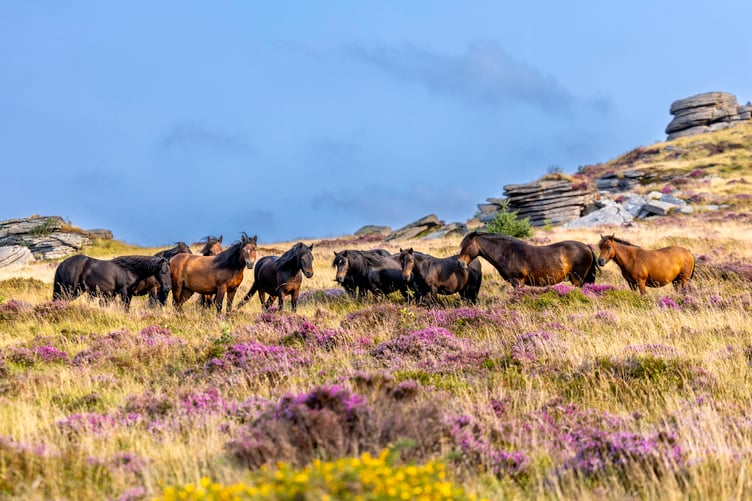
Dartmoor ponies are being heralded for unwittingly creating a living ‘mosaic’ of habitats on Dartmoor.
A photographer has captured the long-lasting results of the quiet, repeated movements of grazing heritage Dartmoor ponies.
Their tracks and nibbling are helping reshape the landscape at Bellever, creating a living mosaic of pathways and habitats that support a richer variety of wildlife.
Dartmoor-based equine and conservation photographer Malcolm Snelgrove has documented for 20 years how semi-wild ponies are slowly transforming the moor.
At Bellever, he has documented how the ponies return repeatedly to particular areas, gradually creating ‘wildlife mosaic’ pathways, a patchwork of habitats.
Malcolm said: "Tracks become routes, routes form networks, and those networks begin to shape how the moor functions.
"At first the changes are easy to miss. A narrow path through dense Molinia grass, small areas of exposed ground where hooves have created natural disturbance, or heather appearing where there was once only grass. But over time these changes develop into a visible, living pattern across the moor."
Large areas of Dartmoor are dominated by Molinia forming dense, uniform areas restricting other plant species. But the ponies’ activity break up this uniformity, reducing grass height, creating variation in structure and opening the ground to light.
This allows heather and other plants to thrive with the extra light and disturbance created by the ponies' movement: “In grazed areas, seedlings establish more easily and existing plants show signs of renewed growth.
"The ponies don't move evenly across the landscape. They favour certain routes, return to the same places, and create small areas of natural disturbance as they go. Over time, this creates a mix of habitats rather than a single, uniform surface."
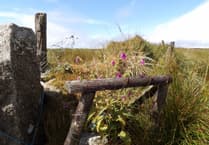
Long-term observation supported by research from Plymouth University, shows pony grazing drives ecological change. A relatively modest reduction in Molinia has caused a near 20 per cent increase in heather seedlings, alongside a significant reduction in grass height and increase in bare ground. Ponies’ grazing has also doubled the health of heather.
Since 2008, Bellever has been grazed solely by Dartmoor ponies managed by the Dartmoor Pony Heritage Trust (DPHT) The breed is well suited to conservation grazing, thriving on rough terrain and utilise coarse vegetation other livestock avoids.
Malcolm said: “The DPHT work is part of a wider conversation about grazing animals supporting nature. As similar discussions emerge globally around biodiversity, land management and grazing pressure, what we are seeing here has relevance far beyond Dartmoor.”
“In many of these landscapes, how grazing animals are valued and accounted for within land management frameworks can significantly influence their long term presence. Recognising the distinct role that equids play within these systems is becoming an increasingly important part of that conversation.”
Malcolm’s photographs help reveal the ponies’ grazing patterns from above: “Many of the images are taken from above, where the patterns are clearer, the pathways through the Molinia, the variation in height, the shifts in texture across the ground.”
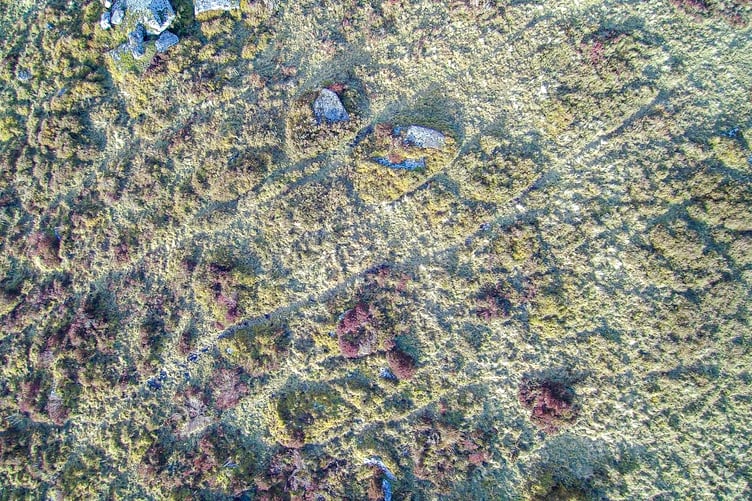
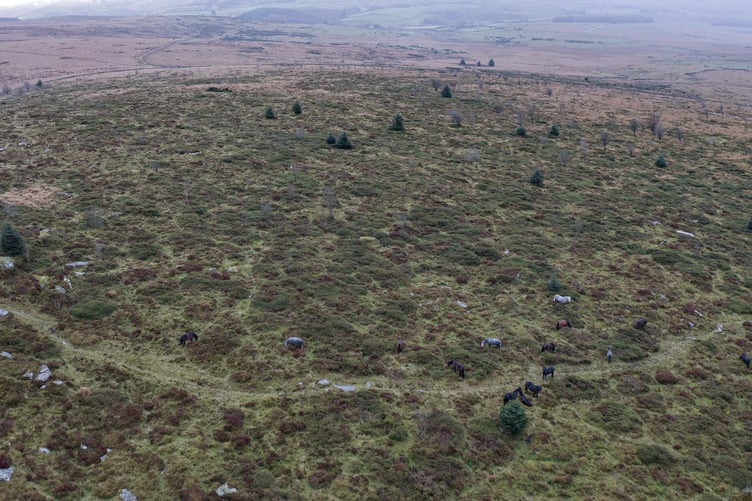
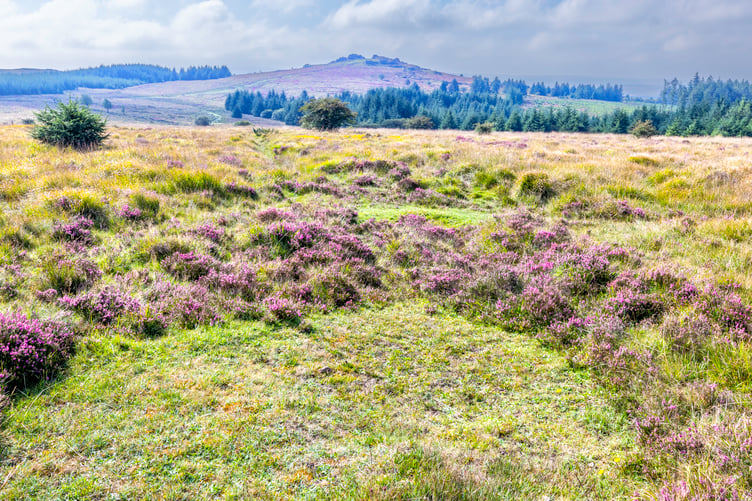
“At Bellever, the evidence is already written into the landscape. The paths cut through the grass. The changes in structure. The return of heather.”
Comments
We've recently changed our login process. If you have an account for commenting, you will need to re-register on the login window.
This article has no comments yet. Be the first to leave a comment.