

MERGING Devon and Cornwall Police with Dorset Police could save £70-million, it was claimed.
Plans to merge the two police forces are at a critical stage with a final decision on whether to submit the business case to the Home Office for consideration set to be made next week.
Devon and Cornwall Police and Crime Panel is due to discuss the merger and the business plan when it meets in Plymouth this Friday (October 5).
The two police forces are already working together in a number of different areas under a strategic alliance and earlier this year announced plans to merge and bring all operations under one umbrella.



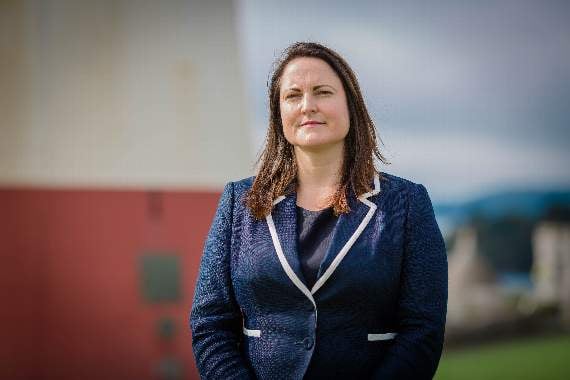
Last week the police said the decision had been delayed and Devon and Cornwall police and crime commissioner (PCC) Alison Hernandez has said she was unlikely to support the merger.
She said she had concerns about the impact the merger could have on council tax and the lack of public support for the plans.
Ahead of the meeting on Friday the 67-page business case for the proposed merger has been published.
It stated that if the merger goes ahead it could result in savings of up to £70.5-million over ten years. By comparison, the business case states that doing nothing would result in savings of around £34-million over the same period and extending an existing alliance between Devon and Cornwall Police and Dorset Police could save around £37.5-million. It said that the merger could cost more than £3-million to implement.
The report said there are five outcomes that the two police forces are looking to achieve with the merger: improved service to the public; a more resilient and sustainable police service; increased operational efficiency; increased accountability; and increased national influence.
In turning to look at the impact of the merger on council tax the business case states that the police forces and PCCs have been in discussions with the Home Office and the Ministry for Housing, Communities and Local Government.
The discussions with the latter have been around proposals to raise council tax precepts above the threshold which could otherwise trigger a referendum.
At present households in Dorset pay £18 more a year for police in their council tax and so if the merger goes ahead there would be a need to equalise that.
The business case stated that a precept breakeven approach would see council tax bills in Devon and Cornwall rise by £6 while those in Dorset would drop £13, but it said this does not take into account the costs of the merger and would result in no extra police officers.
Another option was to equalise partially with a rise of £9 for Devon and Cornwall and a reduction of £10 in Dorset which would ‘partially redress’ merger costs and see about 110 police officers added.
There are three other options which are based around single year alternative notional amounts (ANA) which would have to be agreed by the Government.
The first would see council tax rise by £6 in Devon and Cornwall and drop £13 in Dorset which would provide a small offset in the merger costs but not change police numbers.
The second would see a £7 rise in Devon and Cornwall and a £12 reduction in Dorset and provide a modest offset of the merger costs and an extra 20 officers.
Lastly a rise of £9 in Devon and Cornwall and a drop of £9 in Dorset would provide a greater offset of the merger costs and provide around 90 more officers.
The business case states: ‘In merging the two areas, the council tax rates will need to be equalised and options have been put forward which preserve the income that would otherwise be generated as separate areas and minimise the impact on council tax payers.
‘Overall, on the basis of the figures presented and scenarios considered, proceeding with the merger is considered affordable.’
In each area the business case states that there are grounds for the merger to go forward.
However, in a report which will also go before the police and crime panel, Ms Hernandez explained why she would not supporting the merger.
‘After much deliberation, I have concluded that although the Final Business Case does demonstrate that a merger is possible, I am unable to support it at this time due to my concerns around the council tax precept and the lack of public support for the proposals.’
Comments
This article has no comments yet. Be the first to leave a comment.